Building a Custom Home in Arcadia: What to Know When You’re Starting From Scratch
Arcadia is one of the most sought-after neighborhoods in metropolitan Phoenix, and for reasons that are not hard to understand. Mature landscaping, oversized lots by valley standards, a walkable connection to the Camelback corridor, and a neighborhood character that took decades to develop make it the kind of place people move to and stay. The problem, if you want to build a fully custom home there, is that almost nothing is left to build on.
Arcadia is essentially built out. The raw lots that define the early stages of a custom home market in most Phoenix-area communities do not exist here. What exists instead are aging ranch homes from the 1950s, 60s, and 70s sitting on large parcels that, by current standards, are significantly underbuilt. For buyers who want to live in Arcadia and want a home designed specifically for how they live, the path to a custom home almost always runs through a teardown.
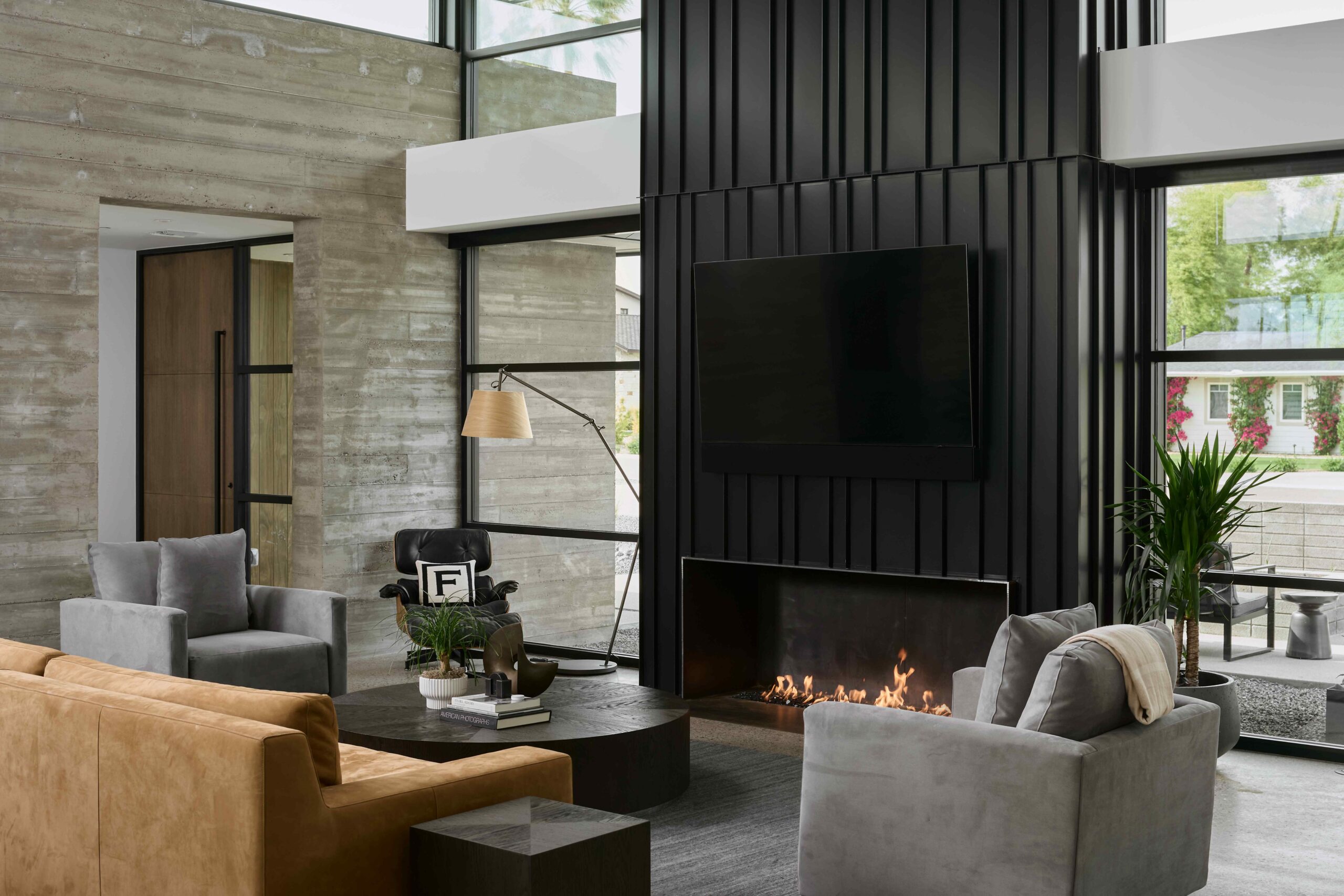
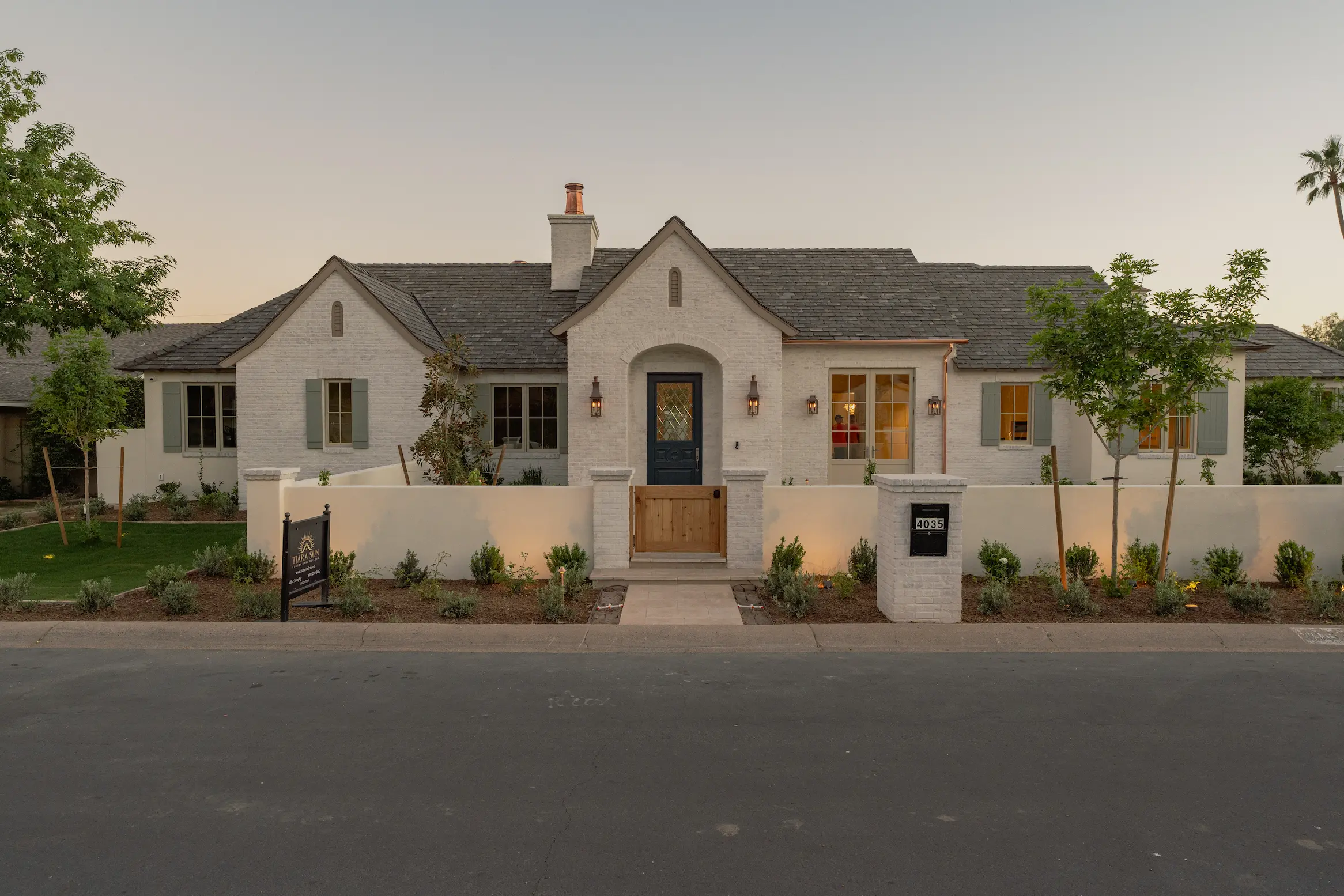
At Tiara Sun Development, we have been building custom homes in Arcadia, Paradise Valley, and Scottsdale for more than 25 years. Our Arcadia Ranch and Hazelwood projects reflect the kind of work this neighborhood demands. This post covers what the teardown and rebuild process in Arcadia actually involves, how it differs from building in Paradise Valley, and where most projects encounter avoidable complications.
Why Arcadia Is a Teardown Market
The homes that currently occupy most Arcadia lots were built for a different era of residential life. Smaller square footage, compartmentalized floor plans, and mechanical and electrical systems that have been patched and extended over six or seven decades make them poor candidates for the kind of renovation that would bring them to the standard a serious buyer expects. The lots, meanwhile, are genuinely exceptional. Half-acre and larger parcels with mature citrus groves, established shade trees, and southern exposure toward Camelback Mountain are not something you can manufacture elsewhere in the valley.
The economic logic follows from that reality. A buyer who acquires one of these parcels is not paying for the structure. They are paying for the land, the location, and the trees. The existing home is typically demolished within months of purchase, and the project that follows is effectively ground-up custom construction on an infill lot in an established neighborhood.
Building on an infill lot in a mature neighborhood is not the same as building on a raw parcel in a new development. Adjacent homes are close. Neighbors are present and attentive. Access for construction equipment is constrained. The finished home has to fit the neighborhood while still being everything the buyer is building it to be. That requires a builder who has navigated those specific conditions before.
How Building in Arcadia Differs From Paradise Valley
Buyers who are considering both Arcadia and Paradise Valley often discover that the build process in each community involves meaningfully different regulatory environments.
Paradise Valley is an incorporated town with its own permitting department, its own design review process, and building standards that apply specifically to that jurisdiction. Arcadia, despite its distinct neighborhood identity, is not a separate municipality. It falls within the City of Phoenix, and new construction there goes through City of Phoenix permitting and development review rather than a dedicated local process.
City of Phoenix permitting for a significant custom home typically runs two to four months, and the review process is less architecturally prescriptive than Paradise Valley’s. What exists instead is a set of zoning regulations, setback requirements, and neighborhood-specific overlay standards that govern what can be built and where on the lot.
Some Arcadia parcels fall within historic preservation overlay districts or are adjacent to properties with deed restrictions that affect what can be built. A builder who does not identify those encumbrances early surfaces them as problems during permitting. A builder who does identify them shapes the design around them from the beginning.
The terrain in Arcadia is also fundamentally different from Paradise Valley. Arcadia lots are largely flat, which eliminates the geotechnical complexity and structural engineering demands that hillside building requires. The technical challenges in Arcadia are primarily about infill construction management rather than site engineering.
What the Teardown and Rebuild Process Looks Like
Demolition of an existing structure in Arcadia requires a City of Phoenix demolition permit and coordination with utility companies to disconnect and cap services. An older home may also contain asbestos or lead paint that requires abatement before demolition can proceed. A qualified builder will identify these conditions during the pre-construction assessment and factor them into the project timeline and budget.
Once the site is cleared, utilities have to be reconnected at the capacity the new home requires. An older Arcadia home may have electrical service sized for a 1960s household, which means new service from the street. The same applies to gas, water, and sewer connections, which often need to be upgraded to handle modern expectations around plumbing fixtures, appliances, and mechanical systems.
Before design begins in earnest, a serious builder will assess the lot’s drainage patterns, soil conditions, existing tree locations, and setback requirements to understand what the site can and cannot accommodate. In Arcadia, the mature trees are often the most important asset on the lot, and a well-designed home works around them rather than through them.
Building in an established neighborhood requires a different approach to site management than building on a raw parcel. Equipment staging, material deliveries, dust and noise management, and neighbor communication are all part of running a responsible construction site in a community where people are living their daily lives around your project.
Renovate or Rebuild: How to Think About It
Some buyers who come to Arcadia with a teardown in mind discover that the existing home has more worth preserving than they initially thought. The question of whether to renovate extensively or start fresh is worth thinking through carefully before committing to either path.
The honest answer is that a full teardown and rebuild almost always produces a better outcome than a gut renovation of a 1960s ranch home, for reasons that go beyond what is visible. The hidden systems in a home of that age, the plumbing, the electrical, the structural framing, are typically at or past the end of their useful life. A renovation that replaces all of those systems while also reconfiguring the floor plan, raising ceilings, and finishing to a luxury standard is often more expensive than building new, with more disruption and fewer degrees of freedom in the design.
There are exceptions. If the existing home has genuine character worth preserving, or if a significant addition can be integrated in a way that makes the combined result genuinely better than a teardown, renovation can be the right answer. Our post on luxury home renovations covers when renovation makes sense and what to look for in a contractor who can execute it at the right level.
The most useful first step is a conversation with a builder who has done both. We can walk a site and give you an honest assessment of what the existing structure is worth preserving before you have committed to either path.
Cost Context for Custom Homes in Arcadia
Custom home costs in Arcadia are broadly comparable to the wider luxury market in Paradise Valley and Scottsdale. Most serious projects start at around $4 million all-in including demolition, site work, construction, and landscaping, with fully custom homes typically ranging from $4.5 million to $12 million or more depending on size, finish level, and scope. Our cost-to-build guide covers what drives costs in this market in detail.
Demolition and site clearance add a line item that ground-up builds on raw lots do not have, typically $30,000 to $80,000 depending on the size of the existing structure and whether abatement is required.
Common Questions About Building in Arcadia
Starting the Conversation
If you own a lot in Arcadia or are considering a purchase with a teardown in mind, the most useful first step is a site visit and an honest conversation about what the project would actually involve. We visit every site before any pricing discussion and will tell you upfront what the existing structure presents and what building on that parcel would require.
We would rather spend an hour walking your site and giving you an honest picture than quote a number that looks good today and creates surprises later. Contact us here to start that conversation.
You might also find these useful as you think through the project:
Ready to talk about your Arcadia project?
We visit every site personally before any pricing conversation. No commitments required to have the first discussion.