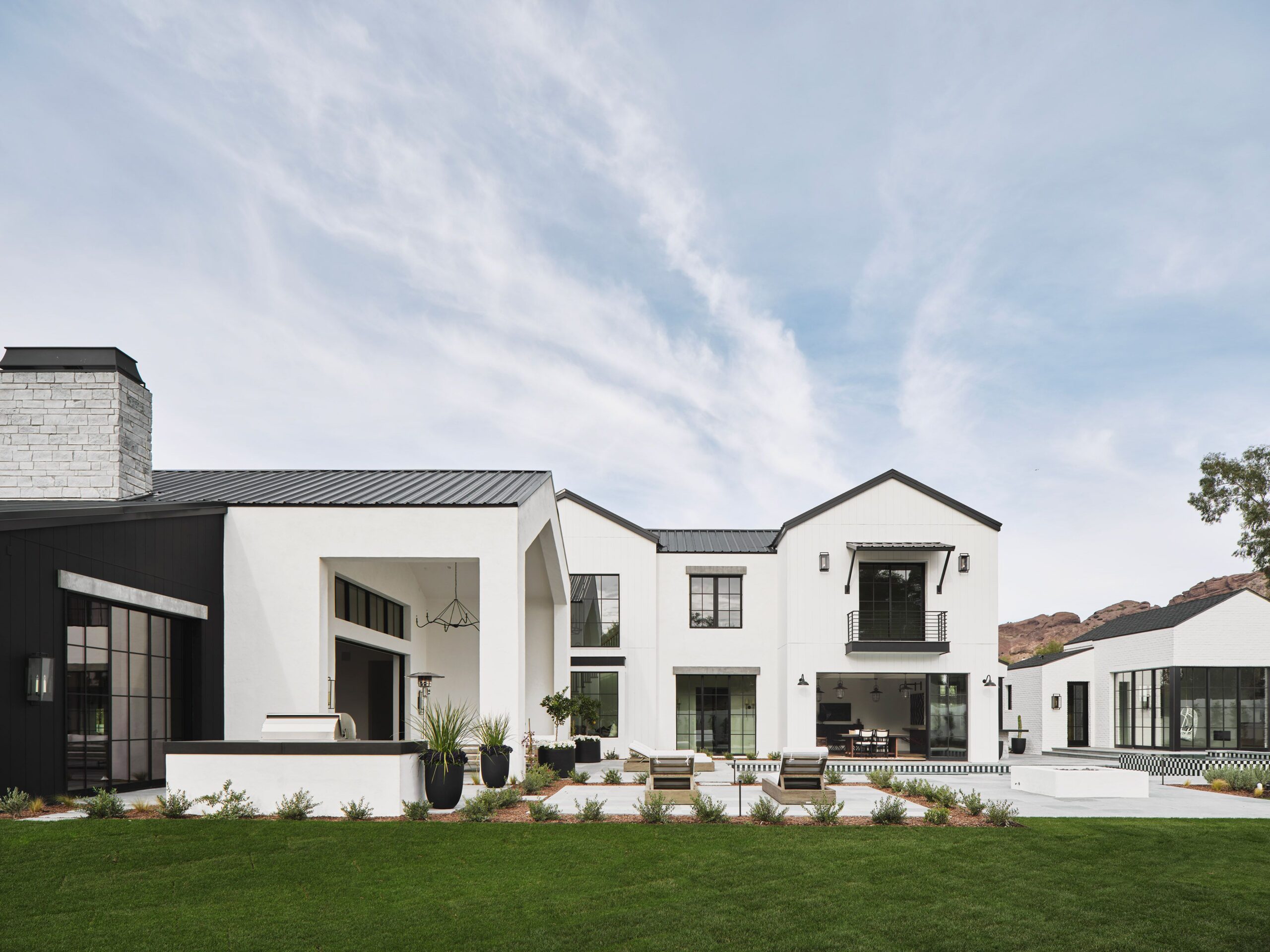
Building a custom home in Paradise Valley is one of the most rewarding experiences in residential real estate, but it is also one of the most complex. Between the design process, permitting requirements, engineering, and the actual construction timeline, it helps to understand what the journey really looks like before you begin.
As we move into 2026, luxury homebuyers are prioritizing designs that are efficient, climate-responsive, and architecturally significant. Paradise Valley continues to be Arizona’s premier market for custom homes, and local knowledge is essential for a successful build.
This guide breaks down the full process from land acquisition to move-in so you can approach the project with clarity and confidence.
How Long Does It Take to Build a Custom Home in Paradise Valley?
A high-end custom home in Paradise Valley generally takes 18 to 30 months from initial concept to completion. The exact duration depends on:
- Architectural complexity
- Size of the home and lot conditions
- HOA and neighborhood approvals
- Hillside or mountainside requirements
- The speed of decision-making during design and construction
Here’s a typical 2026 timeline breakdown:
- 1 to 3 months: Land evaluation and due diligence
- 4 to 8 months: Architecture and engineering
- 3 to 6 months: Permitting
- 12 to 18 months: Construction
Understanding each stage will help ensure the project moves smoothly and stays aligned with your expectations.
Step 1: Choosing and Evaluating a Homesite
Finding the right lot is one of the most important decisions you will make. Paradise Valley lots vary significantly in terms of views, elevation, grading, privacy, and build constraints.
Key considerations when evaluating a PV lot
- Slope and hillside restrictions
- Orientation toward Camelback or Mummy Mountain
- Existing utilities and access to services
- Setbacks and height limitations
- View preservation rules
- Neighborhood or HOA design guidelines
A builder familiar with Paradise Valley can quickly identify opportunities, challenges, and potential cost factors. It is strongly recommended to involve your builder and architect before finalizing a land purchase.
Step 2: Architectural Design and Pre-Construction Planning
The design stage is where your vision becomes a detailed plan. In Paradise Valley, this stage carries additional importance because of the town’s strict guidelines and the need to integrate architecture with the surrounding environment.
Key phases of design
- Concept design
- Schematic layout and massing
- Design development
- Engineering (structural, civil, MEP, hillside if needed)
- Landscape and pool design
- Final construction documents
2026 Architectural Trends in Paradise Valley
- Desert Contemporary with warm, natural materials
- Warm Modern with clean, simple lines
- Large glass openings oriented toward mountain views
- Integrated courtyards and protected outdoor living spaces
- High-performance building envelopes for better energy efficiency
The design phase typically takes 4 to 8 months, depending on complexity and decision-making.
Step 3: Neighborhood and Municipal Approvals
Paradise Valley has some of the most detailed residential requirements in Arizona. Hillside and view corridor regulations, in particular, can affect the home’s height, roofline, and orientation.
Typical approvals include
- Paradise Valley Hillside Review (if applicable)
- Planning and zoning clearance
- HOA or neighborhood architectural committee approval
- Building permit submittal and review
Permitting Timelines
In 2026, Paradise Valley permitting generally takes 3 to 6 months, depending on:
- Complexity of the design
- Presence of hillside elements
- Workload at the Town of Paradise Valley
- Required revisions during review
Timely approvals often depend on how complete and accurate the architectural and engineering packets are at submission.
Step 4: Construction Begins
Once permits are approved, construction can begin. This is the longest phase of the project and typically takes 12 to 18 months for a luxury home of this scale.
Construction stages include
- Site preparation and grading
- Footings and foundation
- Structural framing and steel
- Roofing and weatherproofing
- Mechanical, electrical, and plumbing rough-ins
- Exterior finishes (stucco, stone, metal, wood)
- Window and door installation
- Interior drywall, flooring, cabinetry, and millwork
- Final finishes and systems integration
- Landscaping, pool construction, and hardscaping
What affects construction timelines
- Material lead times and supply chain delays
- Weather and seasonal heat
- Change orders or revisions during the build
- Complexity of custom or specialty features
A builder with strong project management and subcontractor relationships is essential to maintaining schedule and cost control.
Step 5: Final Walkthrough, Inspections, and Move-In
Before move-in, your builder will conduct a detailed walkthrough to verify craftsmanship and make sure every system is functioning properly.
Final steps include
- Town inspections and certificate of occupancy
- Builder quality control review
- Warranty onboarding
- Punch-list completion
- Cleaning and move-in coordination
This stage typically lasts 2 to 4 weeks.
What Does It Cost to Build a Custom Home in Paradise Valley in 2026?
Costs vary widely based on the home’s size, style, engineering requirements, and level of customization, but luxury homes in Paradise Valley generally fall into these ranges:
- $650 to $1,000+ per square foot for high-end construction
- Additional premiums for hillsides, steel structures, and complex glazing
- Significant allowances for custom cabinetry, luxury finishes, and landscaping
A detailed cost estimate is typically provided after architectural drawings reach the design development or construction document phase.
How Building in Arcadia Differs
While this guide focuses primarily on Paradise Valley, many homeowners compare the two markets. Arcadia builds typically differ in:
- Smaller lot sizes
- More neighborhood-specific design guidelines
- Faster permitting timelines
- Styles like Transitional and Arcadia Ranch rather than Desert Contemporary
The overall process is similar, but the architectural expression and zoning constraints tend to be more neighborhood-oriented.
Final Thoughts
Building a custom home in Paradise Valley is an investment in lifestyle, design, and long-term value. With the right team and a clear understanding of the process, the journey becomes far more predictable and enjoyable.
As 2026 approaches, homeowners are prioritizing designs that feel warm, modern, and deeply integrated with the desert environment. Whether you are starting with raw land or planning a major renovation, partnering with a builder who understands Paradise Valley’s unique requirements is essential.