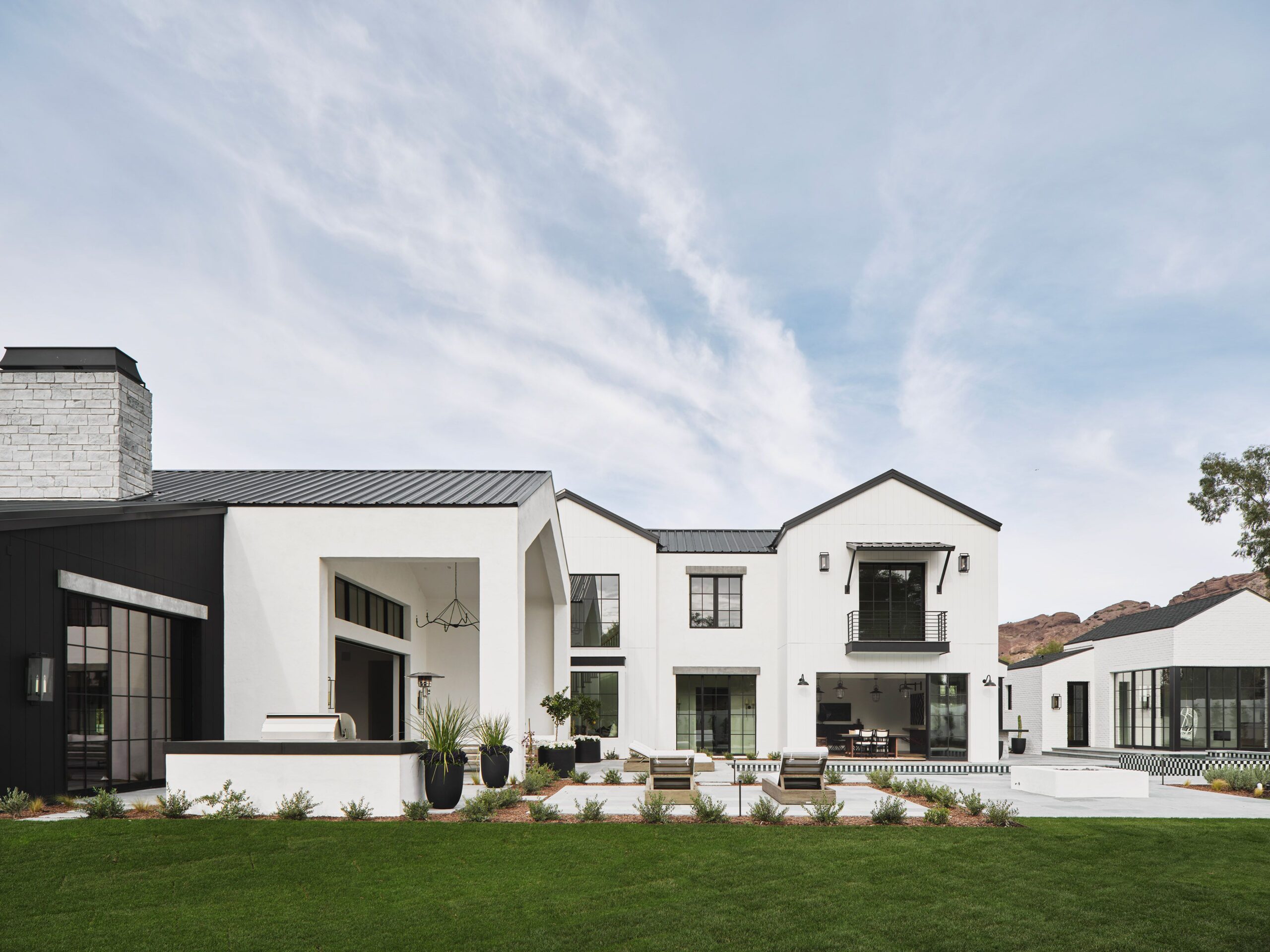
Building on Your Own Lot in Paradise Valley: What to Know Before You Choose a Builder
Owning a lot in Paradise Valley puts you in a position most custom home buyers would trade for in a heartbeat. The hard part is already done. You have the location, the views, the neighborhood. Everything that cannot be manufactured. What comes next is finding the right builder to execute a home that is worthy of the land.
That decision deserves the same level of scrutiny you brought to acquiring the lot in the first place. Not every builder who works in Paradise Valley has genuine experience with the full complexity of a build-on-your-lot project, and the differences in how they approach that process will affect your timeline, your budget, and the quality of what gets built.
At Tiara Sun Development, we have been building custom homes on privately owned lots across Paradise Valley, Scottsdale, and Arcadia for more than 25 years. You can see a selection of those projects in our portfolio. This post covers what the build-on-your-lot process actually involves, what to evaluate when you are choosing a builder, and where most projects encounter problems.
What Build-On-Your-Lot Actually Means
In most cases, bringing a builder to your lot is not simply a matter of handing over the keys and watching a home go up. The lot itself has to be fully understood before design and construction can begin, and that assessment process is where many owners underestimate the complexity involved.
A serious builder will want to evaluate your lot’s topography, drainage patterns, soil conditions, access, and utility connections before committing to a scope or a price. In Paradise Valley, that assessment also includes understanding how the town’s design review process will apply to your specific parcel: setbacks, height restrictions, grading limitations, and the architectural standards that govern what can be built and how it must look from the street.
If the lot is on a hillside or has significant grade change, which many of the most desirable parcels in Paradise Valley do, there is additional complexity around geotechnical engineering, retaining walls, and site preparation that has to be factored into the design from the very beginning. Our post on building on a hillside lot in Paradise Valley covers that process in depth, and our Tatum Canyon Overlook project is an example of what that kind of site demands and what it can produce.
The Questions Worth Asking Every Builder
When you are evaluating builders for a build-on-your-lot project in Paradise Valley or Scottsdale, a few questions will tell you more than almost anything else in the proposal. Our guide to evaluating a custom home builder in Paradise Valley walks through the full set of questions worth asking before you commit to anyone.
Flat lot builds, hillside builds, infill lots in established neighborhoods, and raw desert parcels all require different approaches. Ask specifically about projects with comparable topography, similar proximity to other homes, and equivalent finish expectations.
Some builders work exclusively with specific architects or design-build teams. Others are more flexible and can work alongside the architect of your choosing. Understanding that relationship early matters, because the design phase sets every downstream decision, and a builder who is not genuinely comfortable with your architect’s process will create friction throughout the project.
A thorough builder will want to visit the lot in person before any pricing conversation, review available soil reports or order new ones if needed, and understand the town’s specific expectations for your parcel. A builder who will quote a price from a legal description alone is one who is planning to discover the real scope later, on your dime.
Build-on-your-lot projects can run 18 to 24 months from groundbreaking to move-in, with the full process from design through construction often spanning three years. The quality of communication through that timeline, how decisions are made, how changes are documented, how the client stays informed, is as important as any technical capability.
Navigating the Town of Paradise Valley
Paradise Valley has a design review process that applies to all new construction, and understanding it before you break ground saves significant time and frustration. The town reviews architectural plans for consistency with community character, and projects that arrive without a clear understanding of those expectations can face revision cycles that add months to the pre-construction timeline.
Working with a builder who has an established relationship with Paradise Valley’s review process is not a minor advantage. Knowing the reviewers, understanding what triggers additional scrutiny, and submitting plans that are calibrated to the town’s standards from the beginning keeps the project moving. We have navigated that process dozens of times across Paradise Valley, Scottsdale, and Arcadia, and that experience directly affects how smoothly the permitting phase runs for every project we take on.
Hillside Lots and Site Complexity
Some of the most sought-after lots in Paradise Valley sit on elevated terrain with panoramic views and significant grade change. These are also some of the most technically complex building sites in the valley, and they require a builder who has done this specific kind of work before.
Hillside construction in Paradise Valley typically involves geotechnical engineering, engineered retaining systems, more complex foundation design, and grading work that has to be planned carefully to meet the town’s requirements around cut and fill. The finished result, a home that feels like it belongs on the terrain rather than sitting on top of it, is only possible when the site’s characteristics are understood deeply at the design stage and executed with precision throughout construction.
If your lot has meaningful topographic complexity, that should be one of the first things you raise with any builder you are considering. Their comfort level with that kind of site, and the specificity of their response, will tell you a great deal about whether they are the right fit.
What the Timeline Looks Like
For a build-on-your-lot project in Paradise Valley, a realistic timeline from first builder conversation to move-in is typically two to three years. Here is how that breaks down:
Pre-design and builder selection
Site assessment, initial conversations, and selecting the right team. This phase takes as long as it needs to — rushing it costs more time later.
Design and architectural development — 4 to 8 months
Every decision about the home is resolved before construction begins. Timeline depends on design complexity and how quickly decisions are made.
Paradise Valley permitting — 2 to 4 months
Once plans are submitted, the town’s design review process runs its course. Builders with established relationships in this jurisdiction navigate it more efficiently.
Construction — 18 to 24 months
From groundbreaking to completion for a home of meaningful size and complexity. For a detailed look at what construction costs in this market, our Paradise Valley cost-to-build guide covers current ranges across site types and finish levels.
These timelines are not padded. They reflect the reality of building a home that meets the standard this market expects, in a jurisdiction with a rigorous review process, using trade partners whose work is worth waiting for.
Common Questions About Build-On-Your-Lot Projects
Starting the Conversation
If you own a lot in Paradise Valley, Scottsdale, or Arcadia and are ready to talk through what building on it would involve, we are easy to reach. We visit sites personally before any pricing conversation, and we are honest about what the land presents, both the opportunities and the constraints.
We would rather spend an hour walking your lot and giving you an honest picture of what it takes than quote a number that looks good today and creates surprises later. Contact us here to start that conversation.
You might also find these useful as you think through the project:
Ready to talk about your lot?
We visit sites personally before any pricing conversation. No commitments required to have the first conversation.